
Exploring the psychology behind high-stakes casino decisions
The Thrill of Risk: Understanding Decision-Making in Casinos
The allure of high-stakes gambling lies in the thrill of risk-taking. When players engage in high-stakes decisions, they are often driven by a complex interplay of emotions and cognitive processes. The excitement of potential winnings can heighten adrenaline levels, leading individuals to make choices that they might not typically consider in everyday life. This heightened emotional state can cloud judgment, making players more likely to chase losses or engage in riskier bets. For those interested in a different way to engage in risk, the allure of a bitcoin casino might offer an exciting alternative.
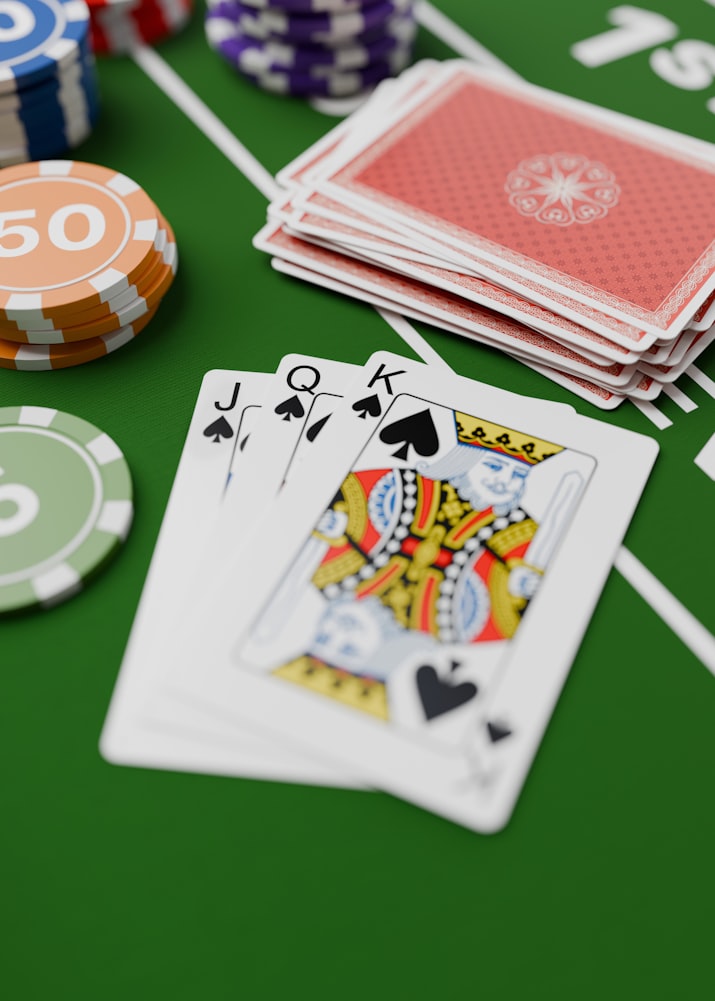
Furthermore, the environment of casinos is meticulously designed to amplify this thrill. Bright lights, engaging sounds, and the presence of other excited players create a stimulating atmosphere that encourages impulsive decisions. Understanding these psychological triggers is essential for analyzing why players may gamble beyond their means, often leading to significant financial consequences.
The Role of Cognitive Biases in High-Stakes Gambling
Cognitive biases significantly influence the decisions made by gamblers. For instance, the availability heuristic leads players to overestimate their chances of winning based on a few recent successes. This bias can create an illusion of control, persuading individuals that they have a greater influence over outcomes than they actually do. As a result, they may continue to invest in high-stakes bets, believing that they are “due” for a win.
Additionally, confirmation bias plays a crucial role, as players may selectively focus on information that supports their beliefs about their gambling strategies while ignoring contradictory evidence. These biases can skew a gambler’s perception of risk and reward, ultimately leading to decisions that favor emotional satisfaction over rational evaluation.
The Impact of Social Influences and Group Dynamics
Social influences are another critical factor in the psychology behind high-stakes decisions in casinos. Many gamblers are drawn to the communal experience of playing with others, which can foster a sense of belonging and shared excitement. This social atmosphere can create a herd mentality, where individuals are more likely to make impulsive decisions based on the actions of those around them.
Moreover, the presence of charismatic and persuasive peers can amplify risk-taking behavior. When surrounded by others who are engaging in high-stakes betting, individuals may feel pressured to conform and increase their own stakes in order to fit in or gain approval. This social dynamic can distort individual judgment and escalate the level of risk taken in gambling contexts.
Emotional Regulation: The Thin Line Between Enjoyment and Addiction
High-stakes gambling often serves as a coping mechanism for many individuals looking to escape stress or emotional pain. The temporary highs associated with gambling can provide relief, leading individuals to return repeatedly in search of that same euphoric feeling. However, this emotional regulation can quickly spiral into addiction, where the pursuit of high-stakes gambling becomes a primary means of coping with life’s challenges.
Understanding the fine line between enjoyment and addiction is essential for both players and those around them. Many may enter the world of high-stakes gambling with the intention of having fun, but the psychological mechanisms at play can lead to compulsive behavior that is difficult to break. Recognizing the signs of such addiction is crucial for creating a healthier relationship with risk-taking in casinos.

Securing Your Experience in the Casino Environment
In a world where high-stakes gambling can lead to intense psychological and emotional experiences, ensuring a secure and responsible gaming environment is paramount. Casinos and online platforms must prioritize user safety by implementing robust measures to protect players from potential harm, including the risks associated with emotional distress and financial loss.
Encouraging responsible gambling practices and providing resources for individuals who may be struggling with addiction can help mitigate the risks associated with high-stakes decisions. By fostering an environment that emphasizes security and well-being, casinos can enhance the overall experience for their patrons while promoting healthier decision-making processes.
