
Are casinos rigged? Debunking common myths
The Truth Behind Casino Odds
The concept of rigging in casinos often stems from misunderstandings about how the games are designed. Casinos operate on a principle known as the house edge, which is the mathematical advantage that the casino holds over the players. This edge varies by game; for example, slot machines typically have a higher house edge compared to games like blackjack or poker. Players at sites like neosurf casino australia can enjoy a variety of games that are carefully designed, ensuring a fair experience while also allowing the casino to remain profitable over time.
Many players mistakenly believe that the house edge guarantees that they will lose every time they play, leading to the perception that the games are unfairly rigged. In reality, the house edge means that over a large number of games, the casino will make a profit, but individual players can and do win. Skill-based games like poker also introduce an element of player strategy, further blurring the line between chance and skill in gambling, making it impossible for casinos to rig outcomes.
Moreover, reputable casinos are regulated by gaming commissions and authorities that enforce strict guidelines to ensure fair play. These organizations conduct regular audits to verify that the games operate fairly and according to the established rules. The result is that while the odds may be in favor of the house, players can trust that the games themselves are not rigged, but rather designed to create a sustainable business model for the casino.
Understanding Randomness in Gaming
One of the most prevalent myths is the belief that casinos manipulate games using technology to influence outcomes. In the case of electronic games, such as slot machines, they use random number generators (RNGs) to determine game results. These RNGs are continuously tested and certified by independent organizations to ensure that they operate fairly and randomly. The reliance on RNGs means each spin is entirely independent, voiding the possibility of manipulation.
Players often fall into the trap of misconceptions surrounding patterns in gameplay. Many gamblers believe that previous outcomes can predict future results, leading to the idea that a game may be ‘due’ for a win. However, this belief overlooks the principle of randomness inherent in gaming algorithms. Each outcome is random, meaning past results have no bearing on future gameplay, negating the notion of rigging based on trends.

Additionally, the technology surrounding casinos evolves continually to enhance player experience without sacrificing fairness. Features such as progressive jackpots are designed to increase excitement; however, their mechanics are thoroughly crafted to ensure they adhere to regulatory standards. This ongoing improvement and adherence to strict guidelines help to debunk myths surrounding technological manipulation or rigged outcomes in casino games.
The Role of Player Strategy and Skill
In certain games, player skill significantly impacts the outcome, which can lead to misconceptions about fairness. For example, in games like poker or blackjack, the player’s ability to strategize and make informed decisions can influence their success. While the casino may have an inherent edge, skilled players can exploit this with effective techniques, challenging the idea that all games are rigged against them.
This dynamic creates an environment where players often feel more in control. However, it is essential to recognize that not all games are based on skill. Slot machines and roulette primarily rely on chance, which can contribute to widespread beliefs about rigging. Understanding where skill can be applied allows players to appreciate the complexities of these games and recognize that skillful decision-making does lead to better outcomes in some scenarios.
It is also worth noting that casinos offer a plethora of resources and guides to help players improve their skills. Many casinos conduct workshops or provide materials to educate players about strategies for various games. By fostering a knowledgeable player base, casinos encourage responsible gaming practices while ensuring that the nature of the games remains fair and transparent, further dispelling the idea of rigging.
Common Misconceptions About Winning and Losing
Another prevalent myth is the belief that casinos intentionally set up systems to ensure players lose money. This misconception can stem from anecdotal experiences and failure to understand the odds in play. The reality is that all gambling games are designed to provide entertainment, with the understanding that the player should be prepared to lose money as part of the gaming experience. This understanding helps to frame expectations realistically.
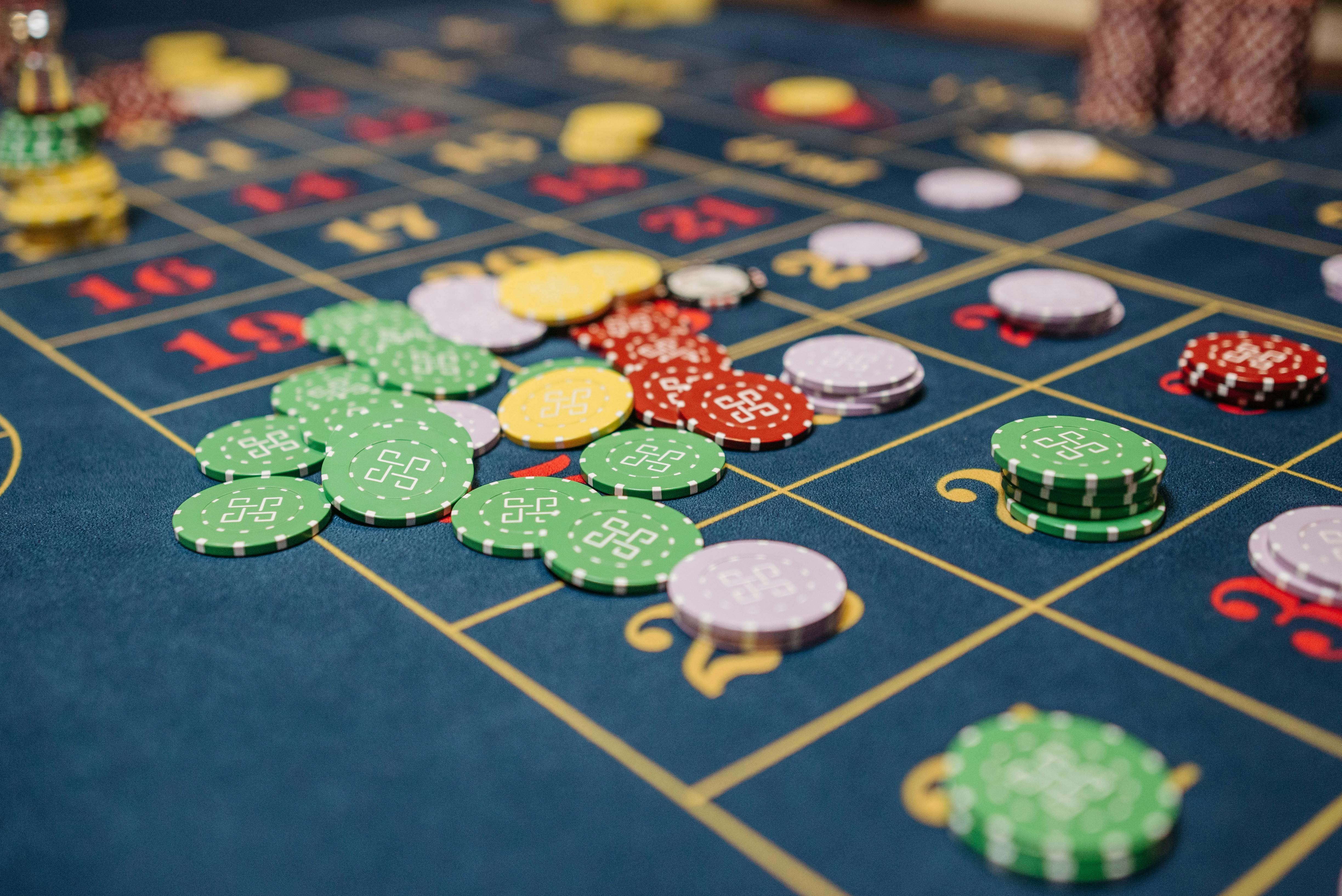
As players engage more frequently with gaming experiences, they may encounter winning and losing streaks. This can create a perception that the casino is somehow manipulating the outcomes to induce losses. However, it’s vital to recognize the role of luck and variance in gambling. Just as players can experience remarkable winning streaks, they can equally face losses due to the unpredictable nature of game outcomes—not due to any rigging by the casino.
Ultimately, responsible gambling is about understanding that while casinos maintain a house edge, individual outcomes are not orchestrated by the house. Players are encouraged to enjoy games as entertainment rather than a guaranteed way to earn money. This mindset promotes a healthier gaming experience, alleviating the myths that feed into the belief that casinos are rigged against the player.
Empowering Players with Knowledge
Educational resources are an essential tool in dispelling myths about casinos. Many online platforms and casino websites offer extensive information about game mechanics, odds, and strategies to help players make informed decisions. By educating themselves, players can better understand the nature of the games, the significance of the house edge, and the realistic expectations for winning—key factors in dispelling myths about rigging.
Furthermore, transparency in gaming practices fosters a sense of trust and accountability between casinos and their players. Many reputable establishments publish their payout percentages and return-to-player percentages, providing insight into how games operate. This transparency is crucial in assuring players that the games are fair and not designed to cheat them out of their money.
Additionally, online forums and communities where players share their experiences can help provide a broader understanding of gaming. Engaging with other players can debunk myths and highlight the realities of gaming, reinforcing the importance of informed participation in gambling activities. Knowledge empowers players to approach casino gaming with a realistic perspective, without falling prey to misconceptions of rigging.
