Exploring the psychology of casino games: Why we play
The Allure of Chance and Luck
The thrill of chance permeates the atmosphere of casino games, captivating players from all walks of life. This allure can be attributed to the human fascination with luck, a powerful psychological driver that often transcends logic. People are drawn to the idea that with just a simple spin of a wheel or a flip of a card, they might change their fortunes forever through experiences such as the mega888 ios 15.3.1 download that enhance gameplay. This unpredictability creates a sense of excitement that resonates deeply within our psyche, making every game a potential life-altering event.
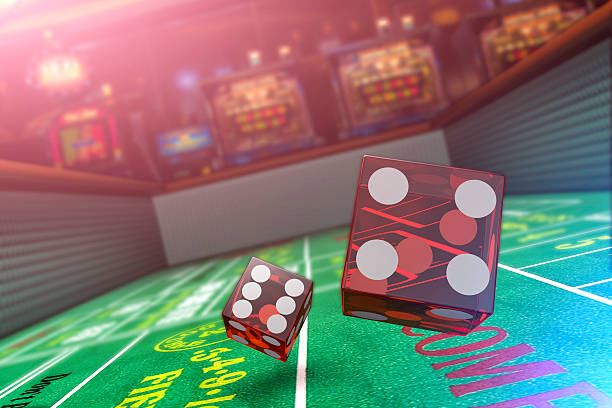
Moreover, the concept of luck provides a form of escapism. Many individuals find solace in the idea that they can step away from the humdrum of daily life, immersing themselves in an environment where anything can happen. The bright lights, engaging sounds, and vibrant social interactions in casinos enhance the feeling of jubilation, making chance encounters with fortune feel more tangible. This interplay of fantasy and reality pulls players into a world where hope reigns supreme, allowing them to temporarily forget their everyday worries.
The psychology of reward also plays a significant role in the allure of casino games. The anticipation of winning sets off a dopamine release in the brain, creating feelings of pleasure and excitement. This neurological reaction reinforces behaviors, leading players to seek out more opportunities to win. As a result, people often find themselves returning to games, particularly those with large jackpots, constantly chasing that euphoric high associated with potential victories. The cycle of betting and winning can create a compelling narrative of success, further entrenching the player in the gaming environment.
The Role of Social Interaction
Casino games offer unique social environments that contribute to their appeal. Players frequently engage with others, creating a sense of community and camaraderie. This social aspect can enhance the overall experience of playing, as sharing stories, strategies, and excitement with fellow gamblers fosters connections that may not be found in other contexts. The collective atmosphere can elevate the stakes, making wins feel more significant and losses more bearable, as players collectively celebrate or console one another.
Additionally, many players thrive on the competitive aspect of gambling. The thrill of competing against others adds another layer to the experience, creating an engaging and adrenaline-pumping environment. This desire to win, not just for oneself but also to outperform peers, can drive individuals to continue playing. The social dynamics at play bolster the notion of success, as players often celebrate each other’s victories, thus reinforcing the overall enjoyment of the game. It is not merely about individual wins; it is about being part of a larger narrative of triumph and camaraderie.
The communal experience of gambling extends beyond individual games, as people often share the excitement of live tournaments or special events. These gatherings create an enhanced sense of belonging and shared passion, further solidifying the psychological draw of casino games. Players are not just in it for the winnings; they are equally invested in the social experiences that accompany gaming, weaving a rich tapestry of human connection and interaction that keeps them coming back for more.
The Emotional Rollercoaster
Engaging in casino games can evoke a range of powerful emotions, creating a psychological rollercoaster for players. The potential for winning brings joy and exhilaration, while losses can lead to disappointment and regret. This fluctuation of emotions keeps players on their toes, contributing to the intense experience that gambling can provide. Many players embrace this emotional journey, considering it a vital aspect of the overall thrill, as each game becomes a microcosm of hope and despair.
Interestingly, the highs and lows can reinforce gambling behavior. When players win, they experience a surge of joy that can lead to repeated play, as they seek to relive that euphoric moment. Conversely, the lows can provoke a desire to chase losses, leading individuals to gamble even more in hopes of reclaiming what was lost. This emotional cycle is often termed the “gambler’s fallacy,” where players believe they can overcome their odds through sheer determination and luck. This belief can trap them in a continuous loop of gambling, where emotion overrides rational decision-making.
Furthermore, the environment of casinos enhances these emotional experiences. The sights and sounds are designed to manipulate feelings, with bright lights signaling wins and catchy jingles celebrating victories. All these factors create a sensory overload that amplifies emotional reactions, making every win feel monumental and every loss a significant blow. This emotional engagement is a cornerstone of the psychology behind why people return to gambling, despite the risks involved. Players often find themselves in a state of heightened emotional awareness, which can be both exhilarating and dangerous.
The Influence of Design and Environment
The design and atmosphere of casinos are meticulously crafted to maximize player engagement. From the layout of gaming tables to the placement of slot machines, every element is strategically positioned to encourage prolonged play. Casinos aim to create an immersive experience that distracts patrons from time and space, ensuring they lose track of their surroundings, thus increasing the likelihood of continued gambling. This design philosophy is rooted in an understanding of how environmental cues can influence behavior.
Bright colors, ambient lighting, and enticing scents all play a role in creating an inviting environment. This sensory stimulation can lead players to feel more at ease, making them more inclined to engage in gameplay. Additionally, the use of sound is particularly crucial; the celebratory sounds of wins are designed to be addictive, reinforcing the idea that success is just around the corner. This psychological manipulation is not merely coincidental; it is a deliberate tactic to enhance the gaming experience and keep players engaged longer than they might have initially intended.
Moreover, the absence of clocks and windows further contributes to the casino’s ability to maintain player focus. By removing the conventional markers of time, players may feel less constrained and more liberated to play as long as they desire. This can lead to longer sessions and, ultimately, greater expenditures. The intricacies of casino design exemplify how psychology and business intersect to create a compelling gambling experience, where every detail is fine-tuned to maximize player retention and engagement.
Understanding Online Casino Platforms and Their Offerings
The rise of online casino platforms has transformed the gambling landscape, allowing players to experience the thrill of casino games without the need to visit a physical location. These digital realms cater to the psychological aspects of gaming by providing a wide array of games that simulate the excitement of traditional casinos. Players can indulge in various games, from slots to table games, all designed with engaging graphics and immersive sound effects that replicate the casino experience.
Moreover, many online platforms emphasize social interaction through live dealer options, allowing players to engage with real dealers and other players in real-time. This virtual social experience replicates the community feel of physical casinos, bringing the emotional connections of gambling into the digital space. By harnessing technology, these platforms bridge the gap between online and offline gambling experiences, catering to the psychological needs of players who seek both excitement and social connection.
Ultimately, online casinos exemplify how the psychology of gaming has adapted to meet modern players’ desires. By understanding what drives engagement—be it chance, social interaction, emotional highs, or environmental design—these platforms continually evolve to provide a fulfilling gaming experience. Players are not just looking for games; they are seeking a connection to the thrill, the community, and the excitement that the world of gambling promises, ensuring that the psychological allure of gaming remains strong in the digital age.